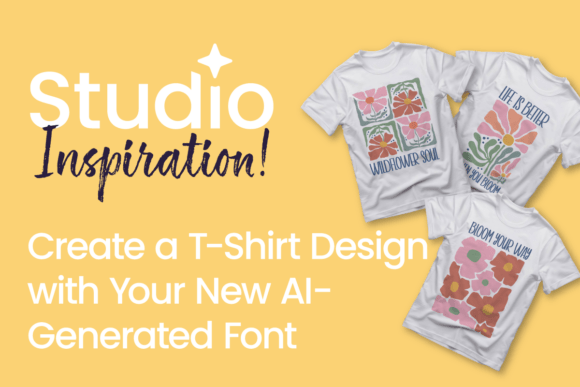
Custom AI Fonts for T-Shirt Design
Typography is the voice of visual communication, and nothing distinguishes a brand quite like bespoke lettering. When you design a t-shirt with your custom AI font, you move beyond generic templates to create merchandise that serves as a genuine extension of your brand identity. This Studio tutorial demonstrates how to transform unique, algorithmically generated typefaces into professional apparel graphics, ensuring your creative assets translate perfectly from screen to fabric.
The Role of Custom Typography in Modern Branding
In an era saturated with digital content, distinctiveness is currency. Standard type libraries often lack the specific personality required for niche marketing or avant-garde editorial design. AI-generated fonts bridge this gap by allowing designers to synthesize entirely new visual styles based on specific prompts or existing brand aesthetics. Integrating these custom assets into a design workflow does more than just decorate a garment; it reinforces visual hierarchy and establishes a proprietary look that competitors cannot replicate.
For graphic designers and marketers, this technology represents a shift in how we approach creative projects. Instead of spending hours modifying existing vectors, AI tools can generate foundational typography that aligns with modern aesthetics and campaign goals. However, the true value lies in execution. A raw AI font must be refined, spaced, and composed with intention to function effectively in print design.
Practical Applications Beyond Apparel
While the primary focus here is merchandise, the skills and assets developed through this process apply broadly across visual design disciplines. The same custom font used on a t-shirt can unify a multi-channel campaign:
- Brand Identity and Logo Design: Create wordmarks that are legally distinct and visually cohesive with your merchandise line.
- Social Media Graphics: Maintain consistency across Instagram stories, TikTok overlays, and ad creatives using the same bespoke typography.
- Packaging Design: Extend the tactile experience of your apparel to unboxing moments through matching labels and tags.
- Web and UI Design: Use the custom font for headlines or hero sections to create a seamless transition between physical products and digital storefronts.
- Editorial Layouts: Elevate lookbooks and zines with display type that captures the collection’s mood.
Optimizing AI Fonts for Print Production
Transitioning from digital generation to physical production requires attention to technical detail. Screen printing and direct-to-garment (DTG) methods have different constraints than web or UI design. When preparing your custom AI font for Studio, prioritize readability and scalability. Intricate details that look stunning at 400% zoom on a monitor may fill in or disappear when printed on textured cotton.
Visual hierarchy remains paramount. Your custom font should act as the focal point, supported by complementary secondary typefaces and negative space. Consider the color palette carefully; high contrast ensures legibility, while tonal variations can add sophistication without sacrificing clarity. Always test your layout at actual size before finalizing production files to verify that the weight and spacing hold up in the real world.
Tips for Seamless Integration
To get the most out of this tutorial and your creative assets, keep these professional best practices in mind:
- Refine Vector Paths: AI outputs often require cleanup. Smooth out jagged edges and ensure curves are mathematically clean before importing into Studio.
- Check Licensing and Originality: Even with AI, verify that your generated font doesn't inadvertently mimic protected intellectual property.
- Maintain System Consistency: Ensure the new font harmonizes with your existing brand guidelines rather than clashing with established visual elements.
- Consider Audience Expectations: Avant-garde typography works for streetwear but may alienate conservative corporate clients. Align your stylistic choices with your target demographic.
Ultimately, successful design is about intentional communication. Whether you are launching a startup, refreshing a personal portfolio, or exploring new design trends, the ability to generate and implement custom typography adds significant value to your toolkit. By treating AI as a collaborative partner rather than a replacement for fundamental design principles, you ensure that every t-shirt, social post, and packaging element contributes to a polished, professional narrative that resonates with your audience.