Evaluating Finch Signature Embroidery Font - S for Modern Handwritten Projects
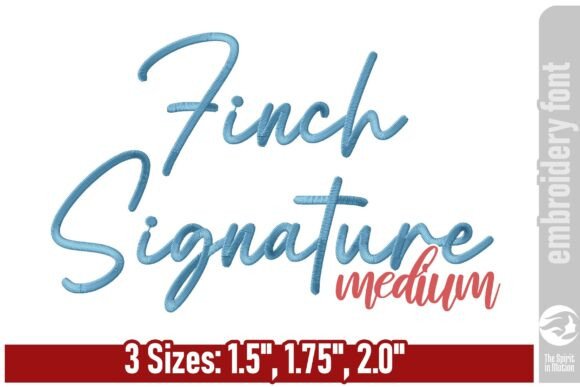
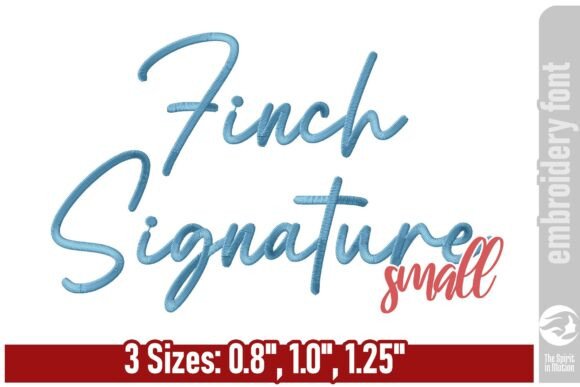
Selecting the correct typography for machine embroidery requires a different evaluation process than choosing fonts for print or digital design. While visual appeal is important, the physical behavior of thread on fabric dictates success. Finch Signature Embroidery Font - S represents a specific category of digitized typeface designed to bridge the gap between organic handwriting and mechanical precision. It offers a stylish, modern signature aesthetic characterized by smooth curves and natural flow, distinguishing it from rigid block letters or overly ornate vintage scripts. For embroiderers and small business owners aged 20 to 50 who are curating a versatile library of assets, understanding where this font fits within the broader ecosystem of embroidery designs is essential for making informed purchasing decisions.
Defining the Aesthetic and Functional Scope
Finch Signature Embroidery Font - S is engineered to provide a handwritten elegance that remains legible at various scales. Unlike standard system fonts converted automatically into stitches, this set has been digitized with the specific physics of needle and thread in mind. The "S" designation typically indicates a specific size range or style variation optimized for particular applications, ensuring that the stitch density supports the delicate nature of signature-style lettering without causing fabric puckering or thread breaks.
The set includes a comprehensive character map featuring uppercase and lowercase letters, numerals, and basic punctuation symbols. This completeness is a critical functional differentiator. Many decorative embroidery fonts lack full alphanumeric sets or omit punctuation, rendering them useless for addresses, dates, or complete sentences. Finch allows for the creation of complete words and custom text layouts, providing the flexibility needed for professional branding and personalized gifts. Whether applied to clothing, accessories, or keepsakes, the font maintains a refined, contemporary look that avoids the dated appearance of traditional monogramming styles.
Comparing Signature Styles Against Alternatives
When researching embroidery fonts, buyers generally encounter three primary categories: block/print, vintage/ornate script, and modern signature. Understanding how Finch Signature Embroidery Font - S compares to these alternatives helps clarify its best-use scenarios.
Modern Signature vs. Traditional Block Fonts
Block fonts prioritize maximum legibility and durability. They are the industry standard for corporate logos, uniforms, and high-wear items like caps or work jackets. However, they often lack emotional resonance. Finch offers a distinct tradeoff: it sacrifices some of the industrial durability of a satin-stitch block font in exchange for warmth and personalization. While a block font might be superior for a company name on a polo shirt pocket, Finch is often the better choice for a recipient's name on a gift, a wedding date on a linen napkin, or a boutique brand tag where approachability matters more than utilitarian readability.
Contemporary Flow vs. Vintage Ornate Scripts
Vintage scripts feature elaborate swashes, high contrast in stroke width, and complex flourishes. While beautiful, these designs can be problematic on modern fabrics. Heavy stitch counts in ornate scripts can distort lightweight knits or performance wear, and the intricate details may become muddy after washing. Finch Signature Embroidery Font - S adopts a minimalist approach to calligraphy. Its smooth curves reduce stitch count and tension issues, making it safer for a wider variety of textiles. If the project involves stretchy fabrics, terry cloth, or items requiring frequent laundering, the simplified geometry of Finch is generally a safer technical choice than highly decorative Victorian-style alternatives.
Technical Considerations and Sizing Data
A common point of confusion when evaluating digital embroidery assets is understanding sizing specifications. It is vital to note that the sizes and stitches information provided for Finch Signature Embroidery Font - S typically references specific sample characters, such as “A” and “a.” These samples serve as a baseline for density and proportion but do not represent the entire set uniformly. In signature fonts, character width varies drastically; an “i” uses significantly fewer stitches and less horizontal space than a “w” or “m.”
For accurate project planning, users should consult the detailed dimension charts available in the product documentation rather than relying solely on summary previews. This level of due diligence prevents layout errors, especially when working within fixed hoop sizes or designated print areas on garments. The inclusion of 156 letters in this set suggests extensive coverage, potentially including international characters or ligatures, which further enhances its utility compared to basic ASCII-only embroidery fonts. Verifying these specifics ensures the font meets the technical requirements of your specific machine and project constraints.
Best-Fit Scenarios and Practical Applications
Based on its design characteristics and technical profile, Finch Signature Embroidery Font - S excels in specific contexts while presenting limitations in others. Identifying these fit factors helps prevent buyer’s remorse.
- Personalized Gifting: The natural flow mimics human handwriting, making it ideal for baby blankets, pillowcases, and robe cuffs. It conveys thoughtfulness that standard fonts cannot achieve.
- Boutique Branding: For makers selling handmade goods, this font provides a cohesive, high-end label aesthetic. It pairs well with minimalist logo marks and earth-tone color palettes.
- Wedding and Event Linens: The balance of elegance and readability makes it suitable for napkins, table runners, and favor bags where a romantic but clean look is desired.
- Social Media Content Creation: Because the font is visually distinct yet clean, embroidered samples using Finch photograph well for Instagram or Etsy listings, aiding in marketing efforts.
Limitations and Decision Tradeoffs
No single embroidery font solves every problem. Recognizing the limitations of Finch Signature Embroidery Font - S is just as important as appreciating its strengths. This transparency aids in building a balanced resource library.
Legibility at Small Sizes: Signature fonts rely on continuous running stitches or thin satins to create their flowing effect. When scaled down below certain thresholds (often under 1 inch in height), these connecting threads can become fragile or visually lost in the fabric weave. If your primary need is tiny care labels or dense text on pen holders, a dedicated micro-font or simplified print style may be more appropriate.
Fabric Compatibility Constraints: While smoother than ornate scripts, signature fonts still require stable backing. On high-pile fabrics like fleece or thick terry, the thin connecting lines between letters may sink into the nap, breaking the visual continuity. In these cases, using a water-soluble topping is mandatory, or one might consider a bolder script alternative designed specifically for textured surfaces.
All-Caps Usage: Although the set includes uppercase letters, signature fonts are primarily designed for mixed-case or lowercase usage. Using all-caps in a signature style can sometimes result in awkward spacing or a disjointed appearance, as the capital letters may not connect as fluidly as their lowercase counterparts. Users intending to embroider acronyms or shouting-style text should test the spacing first or opt for a different typeface.
Making the Final Selection
Choosing Finch Signature Embroidery Font - S should be based on a match between the project's emotional tone and the technical realities of the substrate. It is a strong contender for those seeking to modernize their embroidery offerings with a touch of handwritten authenticity without compromising production reliability. When comparing options, weigh the value of its complete character set and contemporary aesthetic against the specific demands of your most frequent projects.
If your portfolio consists mainly of corporate uniform orders or industrial labeling, this font may serve only as a niche accent piece. However, if your focus is on personalized consumer goods, wedding markets, or lifestyle branding, Finch likely deserves a primary spot in your toolkit. Always review the full sewing info PDF for precise dimensions before purchase to ensure compatibility with your existing hoop collection and design software. By approaching the selection with both creative vision and technical pragmatism, you can maximize the return on investment for this digital asset and elevate the perceived value of your finished embroidery work.