Evaluating Font, Letter, and Alphabet Rhinestone Templates
Font, Letter, and Alphabet Rhinestone Templates serve as specialized digital assets designed to streamline the creation of sparkling typography for apparel and accessories. Unlike standard vector fonts, these templates are pre-configured with precise spacing and sizing to accommodate physical rhinestones. For crafters, small business owners, and designers evaluating their production options, understanding the technical specifications and practical applications of these ready-made designs is essential. This evaluation focuses on determining whether a comprehensive template package aligns with specific project requirements, software capabilities, and production workflows.
Defining the Asset: Beyond Standard Typography
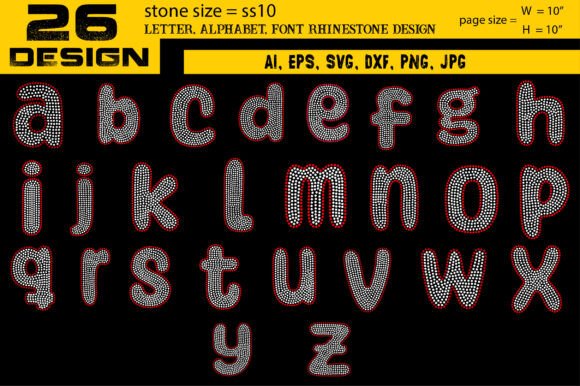
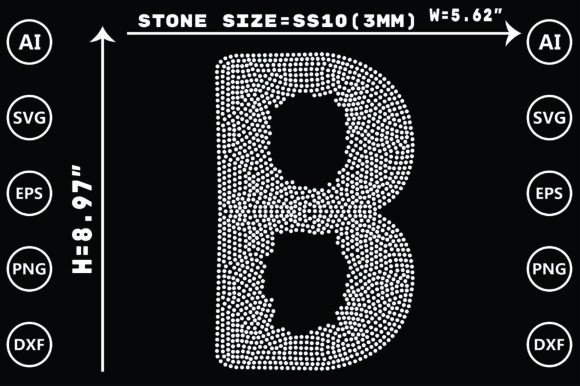
When researching rhinestone solutions, it is critical to distinguish between a standard font and a dedicated rhinestone template. A Font, Letter, and Alphabet Rhinestone Template is not merely a stylistic typeface; it is a functional manufacturing guide. Each letter in the alphabet has been digitally constructed with circles or guides that correspond to specific stone sizes, typically ranging from SS6 to SS20. These templates eliminate the manual calculation required to space stones evenly, ensuring that the final physical product matches the digital proof.
The value proposition of a ready design lies in its editability and format versatility. While the base alphabet is pre-drawn, high-quality templates remain fully editable vector files. This allows users to adjust kerning, scale individual letters, or combine characters to create custom words without losing the structural integrity required for rhinestone application. Evaluators should verify that the template maintains vector precision across all provided file types, as rasterized versions cannot be resized without distorting the stone placement guides.
Technical Compatibility and File Format Assessment
A significant factor in selecting a rhinestone template is software compatibility. The utility of the product depends entirely on whether the included file formats integrate seamlessly with your existing ecosystem. A comprehensive template package typically includes multiple formats to address different user needs:
- SVG Files: Essential for users of Cricut Explore and Silhouette Designer Edition. SVG is the industry standard for cutting machines, preserving layers and cut lines necessary for creating rhinestone transfer masks.
- DXF Files: Specifically intended for Silhouette users operating the free Basic Edition software. This format ensures accessibility for hobbyists who have not upgraded to paid software tiers.
- EPS and AI Files: Designed for professional workflows using Adobe Illustrator, Corel Draw, or Inkscape. These formats preserve complex vector data and are necessary for commercial-scale editing or integration into larger graphic design projects.
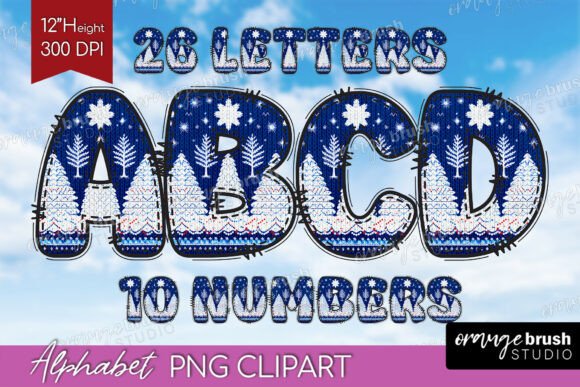
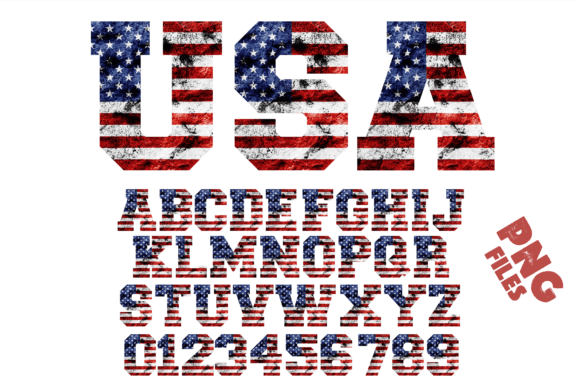
- PNG and JPEG Files (300 DPI): High-resolution printable files serve a different purpose. They are ideal for sublimation, direct-to-garment printing, or visual mockups where physical rhinestones are not used, but the aesthetic is desired.
Before purchasing, evaluate your current software license. If you rely solely on the free version of Silhouette Studio, the inclusion of DXF files is a non-negotiable requirement. Conversely, if you operate a commercial shop using Adobe Illustrator, prioritize templates that offer clean AI or EPS exports to maintain workflow efficiency.
Practical Applications and Production Fit
Font, Letter, and Alphabet Rhinestone Templates are particularly strong fits for specific production scenarios. Understanding where this asset excels helps determine return on investment.
Ideal Use Cases
These templates are optimized for projects requiring consistent, repeatable typography. They are highly effective for:
- Custom Apparel: T-shirts, hoodies, and jerseys where names or slogans require durable, eye-catching embellishment.
- Merchandise Production: Mugs, tumblers, and cushions where the curved surface demands precise stone placement that only a pre-spaced template can reliably provide.
- Batch Manufacturing: When producing multiple items with identical text, the time saved by using a ready design versus manually placing individual stones is substantial.
- Mixed Media Projects: The inclusion of 300 DPI PNG and JPEG files allows creators to offer matching printed and rhinestone versions of the same design, expanding product offerings without additional design time.
Situations Requiring Alternatives
Despite their utility, rhinestone templates are not universally applicable. Evaluators should consider alternatives in the following situations:
- Complex Illustrations: If the project requires detailed imagery rather than typography, a standard rhinestone template will be insufficient. Dedicated illustration transfers or DTG printing may be more appropriate.
- Micro-Detail Work: Rhinestone templates have physical limitations based on stone size. Extremely small text or intricate serifs cannot be replicated accurately with stones; embroidery or vinyl may yield better results.
- One-Off Prototypes: For a single, unique piece where cost is the primary constraint, hand-placing loose stones might be more economical than acquiring a full digital template library.
Benefits, Tradeoffs, and Expectations
Making an informed decision requires balancing the advantages against potential limitations. The primary benefit of a Font, Letter, and Alphabet Rhinestone Template is standardization. It removes human error from stone spacing, resulting in a professional finish that increases perceived product value. The editability of the file also provides long-term utility, allowing the same alphabet to serve countless projects.
However, there are tradeoffs to consider. Ready-made templates restrict creative freedom to the specific style provided. While editable, you cannot fundamentally alter the stroke width or serif structure without potentially breaking the stone alignment. Additionally, users must manage expectations regarding hardware. The digital template assumes a specific stone size; using a different size stone than the template was designed for will result in gaps or overlaps. Always verify that the template’s specifications match your physical inventory before beginning production.
Another consideration is the learning curve associated with rhinestone transfer creation. Possessing the SVG or DXF file is only the first step. Users must understand how to create a "bubble" or offset layer for the transfer mask material. Those new to this process should ensure they have access to tutorials or documentation specific to their cutting machine, as the template file itself does not teach application techniques.
Decision-Making Framework for Buyers
To determine if a specific Font, Letter, and Alphabet Rhinestone Template aligns with your goals, apply the following evaluation criteria:
- Software Verification: Confirm that your cutting software opens the provided SVG or DXF files without conversion errors. Test a sample letter before committing to a full production run.
- Stone Size Alignment: Cross-reference the template specifications with your supplier’s stone chart. An SS10 template is incompatible with SS16 stones.
- Commercial Licensing: If you intend to sell finished goods, review the license terms. Most templates allow for the sale of physical products created with the design but prohibit reselling or redistributing the digital files themselves.
- Resolution Requirements: If you plan to use the PNG or JPEG files for print, verify that the 300 DPI resolution meets your printer’s specifications. Lower resolutions may appear pixelated on dark garments.
Ultimately, a Font, Letter, and Alphabet Rhinestone Template is a productivity tool designed to bridge the gap between digital design and physical craftsmanship. By carefully evaluating file compatibility, application suitability, and production constraints, buyers can select a resource that enhances both the quality and efficiency of their creative output. Whether for personal customization or commercial merchandise, the right template serves as a foundational element in successful rhinestone typography.