Rounded Applique Embroidery Font: A Practical Asset for Clean Stitching
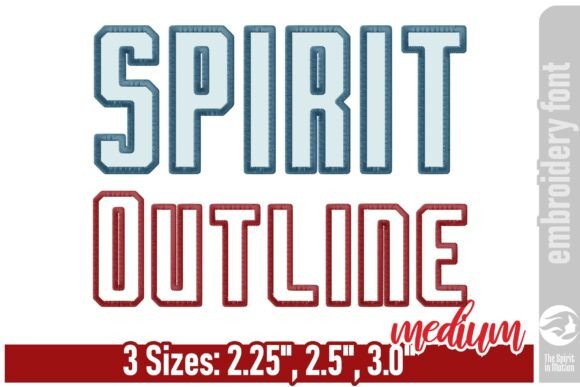
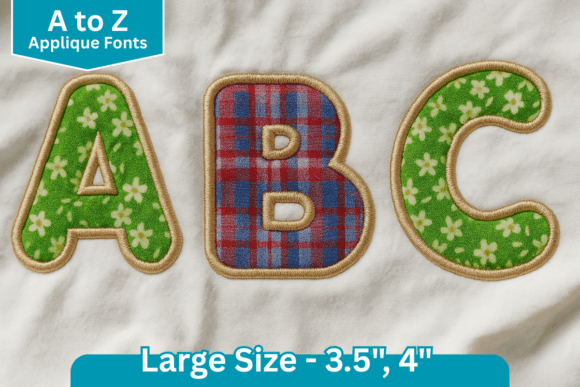
In the landscape of machine embroidery digitizing, finding a typeface that balances aesthetic warmth with technical precision is often a challenge. The Rounded Applique Embroidery Font addresses this specific niche by offering a complete A–Z capital letter set designed explicitly for fabric application rather than standard satin or fill stitching. For professionals and serious hobbyists, the value of this asset lies not just in its visual style, but in its digitization integrity. Each letter has been carefully digitized to ensure clean stitching, reducing the common frustrations associated with appliqué work such as misaligned tack-downs or fraying edges during production.
This font set serves as a functional tool for creators who need to produce legible, durable text on textiles. Whether utilized for commercial sportswear, personalized children’s items, or home décor, the rounded geometry provides a soft, approachable look while maintaining structural stability. Understanding the technical specifications and practical applications of this design file is essential for determining if it aligns with your current workflow and project requirements.
Technical Digitization and Stitch Integrity
The primary differentiator of any high-quality appliqué font is the pathing and stitch density. Poorly digitized appliqué letters often suffer from gaps between the placement line and the final satin border, or they may use excessive jump stitches that require significant post-production trimming. The Rounded Applique Embroidery Font is engineered to mitigate these issues through precise digitization protocols.
Optimized Stitch Pathing: The letters are sequenced to minimize machine stops and trims. Efficient pathing reduces production time and maintains thread tension consistency across the entire word or monogram. This is particularly relevant when embroidering names where uniform letter spacing and baseline alignment are critical for a professional finish.
Clean Edge Definition: Appliqué requires three distinct stages: placement, tack-down, and cover stitch. This font set ensures that the tack-down stitch securely holds the fabric without piercing too close to the edge, which can cause fraying on woven cottons or knits. The final cover stitch is calibrated to encapsulate the raw edge completely, providing a smooth perimeter that withstands washing and wear. This level of detail makes the font reliable for items that require frequent laundering, such as kids' clothing or linens.
Consistent Sizing and Spacing: Unlike free fonts that may have erratic kerning, this set offers uniform metrics. Capital letters are proportioned to work cohesively when stitched consecutively. This consistency allows users to type out names or phrases in their embroidery software with minimal manual adjustment, streamlining the setup process for batch production runs.
Versatility Across Project Categories
The rounded sans-serif aesthetic of this font makes it inherently versatile. It avoids the formality of serifs and the harshness of block letters, positioning it as an ideal middle ground for various markets.
- Sportswear and Team Apparel: The bold weight and rounded terminals provide excellent visibility from a distance, making it suitable for jersey numbers, team names, or duffel bag personalization. The appliqué technique also adds texture and dimension that flat embroidery cannot achieve, enhancing the perceived value of athletic gear.
- Children’s Projects: Safety and comfort are paramount in kids' embroidery. The absence of sharp corners reduces the risk of scratching delicate skin, while the soft appearance complements nursery décor, bibs, and school uniforms. The durability of the appliqué construction ensures the design survives active play and repeated wash cycles.
- Home Décor and Accessories: For tote bags, throw pillows, and wall hangings, this font offers a handmade touch that feels curated rather than mass-produced. The texture of the fabric appliqué integrates well with natural fibers like linen and canvas, creating a tactile contrast that elevates simple goods.
- Monograms and Personalization: While primarily a capital letter set, the rounded style pairs effectively with script fonts for mixed-case monograms. Using this font for the initial or surname anchor provides structure and readability, balancing the ornate nature of traditional cursive scripts.
Workflow Integration and Machine Compatibility
For freelancers and shop owners, asset compatibility directly impacts efficiency. This machine embroidery design includes multiple file formats, ensuring broad usability across different hardware ecosystems. Whether you operate a single-needle home machine or a multi-needle commercial unit, having access to native formats (such as PES, DST, EXP, JEF, and VP3) prevents conversion errors that can alter stitch counts or distort shapes.
Practical Recommendation: Always test the font at your intended size before committing to a full production run. While the digitization is optimized for clean stitching, fabric variables such as stretch, pile height, and stabilizer choice significantly affect the final outcome. For stretchy knits used in sportswear, a cut-away stabilizer and temporary adhesive spray are recommended to prevent distortion during the tack-down phase. For woven fabrics in home décor, a tear-away or wash-away stabilizer may suffice depending on the fabric weight.
The inclusion of all A–Z capital letters eliminates the need to purchase supplemental packs or manually digitize missing characters. This completeness is a significant long-term value proposition for businesses that handle custom orders, as it guarantees that any requested name or phrase can be fulfilled immediately without workflow interruption.
Evaluating Quality Against Market Alternatives
When assessing the Rounded Applique Embroidery Font against other available options, several factors determine its suitability for professional use. Many marketplace fonts prioritize visual novelty over stitch economy, resulting in designs that look good on screen but perform poorly under the needle. This font prioritizes function, evidenced by its balanced density and secure anchoring points.
However, users should be aware of the inherent limitations of appliqué typography. Because each letter involves cutting and placing fabric, this method is slower than direct embroidery. It is best suited for larger text sizes where the detail is visible and the labor investment is justified. For very small text (under 1 inch), standard satin stitch fonts may be more efficient and legible. Additionally, the rounded style, while friendly, may not convey the luxury or tradition required for high-end formal wear or corporate branding that demands sharp, architectural lines.
Despite these contextual limitations, the font excels in its intended domain. The "handmade touch" mentioned in the product description is achieved through the physical layering of fabric, which digital printing or flat embroidery cannot replicate. This tangible quality resonates with consumers seeking authenticity and craftsmanship in personalized goods.
Strategic Value for Creators and Businesses
For entrepreneurs and marketers in the personalized goods space, assets like the Rounded Applique Embroidery Font represent more than just a design element; they are inventory. Owning a reliable, commercially viable font set reduces dependency on per-design purchases and enables faster turnaround times for custom requests. The ability to offer a consistent typographic style across different product lines helps build brand recognition and trust with customers.
Educators and content creators in the embroidery niche will also find value in this set as a teaching tool. Its clear stitch structure makes it an excellent example for demonstrating proper appliqué techniques, including fabric placement, trimming methods, and stabilizer selection. The clean digitization serves as a benchmark for students learning to evaluate or create their own appliqué fonts.
Ultimately, the decision to integrate this font into your library should be based on your specific output needs. If your portfolio frequently includes casual wear, children's items, or textured home goods, this rounded appliqué set offers a robust combination of aesthetic appeal and technical reliability. Its careful digitization minimizes production headaches, allowing you to focus on creativity and business growth rather than troubleshooting stitchouts. By selecting tools that prioritize both form and function, makers can ensure their finished products meet the high standards expected by today’s discerning clients.