Animal Footprints Drawing: Integrating Playful Typography into Modern Design
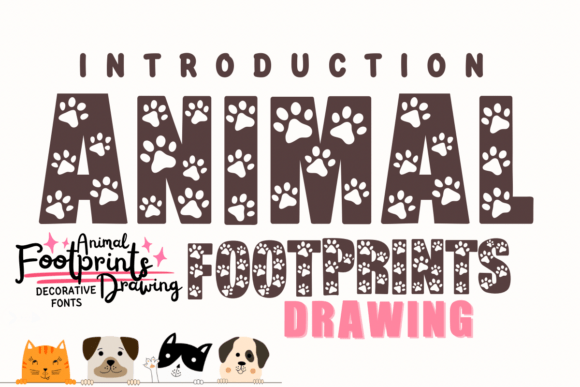
In the vast landscape of digital typography, finding a typeface that balances professional utility with genuine character is a persistent challenge for designers and content creators. The concept of Animal Footprints Drawing represents more than just a novelty; it signifies a shift toward organic, narrative-driven visual communication. When we discuss this specific aesthetic, we are often referring to specialized typefaces like Animal Footprints, a cute decorative font that transforms standard text into a trail of playful imagery. This fusion of illustration and letterform offers a unique solution for creatives looking to inject warmth and approachability into their projects without sacrificing legibility or intent.
The relevance of such decorative elements has grown significantly as digital spaces become increasingly saturated with minimalist, corporate sans-serifs. While clean design remains essential for usability, there is a rising demand for texture and personality in niche applications. Educators, children’s book authors, pet industry marketers, and lifestyle bloggers are actively seeking assets that bridge the gap between information and emotion. By incorporating an Animal Footprints Drawing style into headers, logos, or accent graphics, these professionals can instantly signal a tone of friendliness and curiosity. It is a strategic choice that aligns visual identity with audience expectations, particularly when targeting demographics that value authenticity and whimsy over sterile perfection.
The Evolution of Decorative Typography in Digital Workflows
Historically, decorative fonts were often relegated to the margins of serious design work, viewed as unprofessional or difficult to implement. However, modern design software and changing cultural attitudes have rehabilitated the status of illustrative type. The current iteration of Animal Footprints Drawing assets reflects this evolution. Unlike the clip-art styles of the early 2000s, contemporary versions like the Animal Footprints font are crafted with vector precision and kerning awareness. They are designed to function within modern workflows, compatible with tools ranging from Adobe Illustrator and Figma to Canva and Procreate.
This technical maturity means that creators no longer have to choose between charm and functionality. The font acts as a hybrid tool, serving simultaneously as readable text and standalone illustration. For freelancers and small business owners managing multiple brand touchpoints, this efficiency is invaluable. Instead of sourcing separate icons and typefaces, a single decorative font can unify a project’s aesthetic. This streamlining is particularly relevant in an era where content velocity matters; being able to type out a headline that automatically renders as a cohesive Animal Footprints Drawing saves time while maintaining a high level of custom craftsmanship.
Aligning Visuals with Niche Market Expectations
Understanding where and why to use an Animal Footprints Drawing requires a nuanced view of current market preferences. We are seeing a distinct pivot in several industries toward "soft" branding. In the pet care sector, for example, consumers are moving away from clinical veterinary aesthetics toward holistic, family-oriented messaging. A logo or packaging design featuring the Animal Footprints font communicates care and gentleness faster than traditional bold lettering could. Similarly, in early childhood education, literacy materials benefit from multisensory cues. When letters themselves resemble the subject matter, cognitive engagement increases. The font becomes a pedagogical tool, reinforcing learning through visual association.
Beyond commercial and educational uses, there is a significant trend in personal creative expression. Journaling, scrapbooking, and digital planning communities have embraced decorative typography as a form of mindfulness. For these hobbyists, the act of using an Animal Footprints Drawing is less about communication and more about the joy of creation. The tactile quality of paw-print letterforms adds a layer of sensory delight to digital or analog pages. This emotional resonance is something that purely functional typography cannot replicate, making decorative fonts a staple in the creator economy’s toolkit for building engaged, loyal communities.
Practical Applications and Strategic Implementation
While the appeal of Animal Footprints is undeniable, successful implementation requires restraint and intentionality. Decorative fonts are powerful spices, not main courses. Professionals should approach Animal Footprints Drawing as an accent element rather than a primary body text solution. Readability must always remain the priority. Using this font for short headlines, pull quotes, watermarks, or social media overlays ensures that the message remains clear while the aesthetic enhances the mood. Overuse can lead to visual fatigue and diminish the special quality of the design.
Consider the following practical scenarios where this typographic style excels:
- Event Branding: For pet adoption fairs, wildlife conservation fundraisers, or nature-themed birthday parties, invitations set in an Animal Footprints Drawing style establish the theme immediately.
- Product Packaging: Small businesses selling organic treats, eco-friendly toys, or handmade accessories can use the font on labels to convey artisanal quality and playfulness.
- Social Media Engagement: Instagram stories and Pinterest pins often rely on quick visual processing. Text that doubles as imagery stops the scroll more effectively than standard captions.
- Educational Resources: Worksheets, flashcards, and classroom signage benefit from the thematic consistency that illustrative fonts provide.
When integrating Animal Footprints into a broader design system, pairing is crucial. Balance the ornate nature of the footprints with a simple, neutral sans-serif or a clean slab serif for supporting text. This contrast creates a hierarchy that guides the viewer’s eye and prevents the design from feeling chaotic. Additionally, consider color psychology. While black is versatile, earth tones, soft pastels, or vibrant primary colors can further tailor the Animal Footprints Drawing to specific contexts, whether that be a rugged outdoor adventure brand or a gentle nursery decor line.
Navigating Licensing and Ethical Usage
As with any creative asset, understanding the licensing terms for Animal Footprints Drawing resources is a non-negotiable aspect of professional practice. Fonts like Animal Footprints often come with different tiers of usage rights. Personal use licenses may suffice for hobbyists and students, but entrepreneurs and marketers must secure commercial licenses to avoid legal pitfalls. This is especially true if the font will be embedded in products for resale, used in client work, or featured in paid advertising. Respecting intellectual property not only protects your business but also supports the independent type designers who create these unique tools.
Furthermore, ethical considerations extend beyond licensing to representation. When using animal-themed graphics, ensure the imagery aligns with respectful and accurate depictions of wildlife and domestic animals. Avoid associating wild animal footprints with inappropriate contexts or promoting unsafe interactions with wildlife. Responsible design reinforces positive relationships between humans and nature, which is ultimately what draws audiences to Animal Footprints Drawing in the first place. Authenticity resonates; gimmickry does not.
Future-Proofing Creative Assets
The longevity of decorative trends depends on their adaptability. Animal Footprints Drawing has persisted because it taps into a timeless human fascination with the natural world, yet its digital application continues to evolve. As augmented reality (AR) and interactive print technologies become more accessible, we can anticipate new ways to utilize these fonts. Imagine a children’s book where scanning a page reveals animated tracks, or a retail display where the font triggers location-based content. Forward-thinking creators are already experimenting with variable fonts and animated SVGs, suggesting that the Animal Footprints aesthetic is poised for dynamic expansion.
For professionals and hobbyists alike, staying relevant means viewing these assets as part of a larger storytelling ecosystem. It is not merely about downloading a cute font; it is about understanding how visual language influences perception and behavior. Whether you are designing a marketing campaign for a sustainable brand, creating educational materials for a preschool, or simply enhancing your personal bullet journal, the principles remain the same: clarity, context, and connection. By treating Animal Footprints Drawing as a deliberate design strategy rather than a fleeting decoration, you ensure that your creative output remains impactful, engaging, and professionally sound.
Ultimately, the decision to incorporate Animal Footprints into your repertoire should be driven by project goals and audience needs. Test the font across different mediums and scales. Gather feedback from your target demographic. Observe how the playful letterforms interact with your existing brand elements. When used thoughtfully, this distinctive typographic style does more than decorate; it communicates values, evokes emotions, and creates memorable experiences. Add it to your creative ideas, apply it with purpose, and enjoy the results of a design practice that values both function and delight.