World Animal Day: Strategic Typography for Audience Connection and Brand Alignment
Selecting the right typeface is rarely just an aesthetic choice; it is a fundamental strategic decision that dictates how an audience perceives a message before they read a single word. When planning campaigns, educational materials, or product lines centered on animal welfare, veterinary care, or children’s development, the World Animal Day font serves as more than a decorative element. It functions as a visual shorthand for warmth, safety, and approachability. For entrepreneurs, educators, and marketers, understanding the specific utility of this whimsical, handwritten typeface allows for more intentional design choices that align with broader organizational goals.
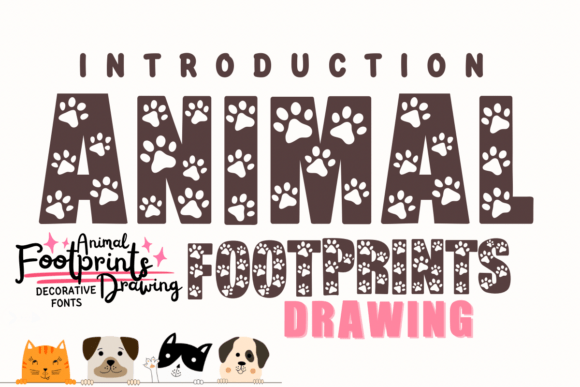
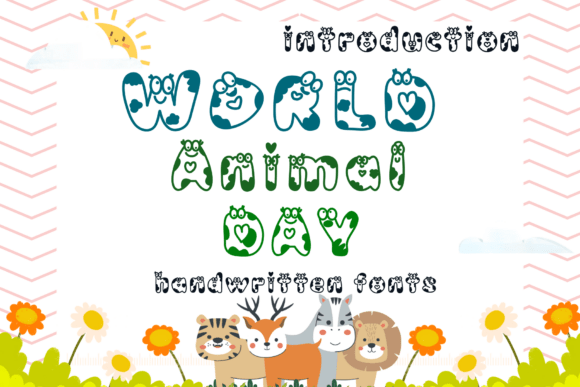
The World Animal Day font is characterized by chunky, playful letterforms styled to resemble friendly animals, complete with integrated paw prints, hearts, and organic shapes. While visually distinct, its true value lies in its ability to lower cognitive barriers for specific demographics. In strategic communication, this typeface acts as a tone-setter, signaling to parents, children, and animal lovers that the content within is safe, engaging, and emotionally resonant. However, leveraging such a highly stylized asset requires careful planning to ensure it supports rather than distracts from your core objectives.
Aligning Visual Tone with Strategic Objectives
Before integrating World Animal Day into a project, decision-makers must evaluate whether the font’s inherent personality matches the intended outcome. Typography carries emotional weight, and this particular typeface is heavily weighted toward joy, nurturing, and informality. This makes it exceptionally effective for specific use cases while potentially detrimental to others.
For educational materials, the font supports learning outcomes by creating a positive association with reading. The chunky, recognizable shapes aid in letter recognition for early learners, while the animal motifs maintain engagement during repetitive tasks. If your goal is to increase retention or reduce anxiety in a classroom or homeschool setting, this font is a functional tool, not merely decoration.
In pet-themed branding, the typeface helps differentiate businesses in a saturated market. Veterinary clinics, pet groomers, and animal shelters often struggle to balance professionalism with empathy. Using World Animal Day in headers, social media graphics, or welcome signage can soften the clinical atmosphere without sacrificing clarity. It signals to pet owners that the business understands the emotional bond they share with their animals. However, this should be reserved for consumer-facing touchpoints where emotional connection drives conversion, rather than technical documentation or legal disclaimers where legibility and authority are paramount.
Evaluating Use Cases for Maximum Impact
To determine if World Animal Day is the right strategic fit, consider the following alignment matrix:
- Nursery Decor and Children’s Apparel: High alignment. The font’s organic shapes and heart motifs directly support sales by appealing to parental desires for cute, safe, and gender-neutral aesthetics.
- Fundraising and Awareness Campaigns: Moderate to high alignment. The handwritten style feels personal and urgent, which can increase donation rates when paired with compelling photography. It avoids the sterile feel of corporate typography.
- Instructional Manuals or Safety Guidelines: Low alignment. The decorative elements may reduce readability at small sizes. Use only for section titles to maintain hierarchy, but rely on clean sans-serifs for body text.
- Corporate B2B Communications: Generally misaligned unless specifically targeting the pet industry supply chain. Even then, restrict usage to accent elements to maintain professional credibility.
Practical Implementation and Operational Planning
Successful deployment of World Animal Day requires operational foresight. Because the font includes illustrative elements within the glyphs themselves, it behaves differently than standard typefaces. Designers and content creators must account for these unique characteristics during the production phase to avoid costly revisions or accessibility failures.
Hierarchy and Pairing Strategy: Never use World Animal Day as a standalone typeface for extensive copy. Its high level of detail creates visual noise that fatigues the reader. Strategically pair it with a simple, rounded sans-serif or a clean geometric typeface. Let World Animal Day handle the emotional heavy lifting in headlines, pull quotes, and call-to-action buttons, while the supporting typeface ensures information is digestible. This contrast not only improves readability but also makes the decorative font appear more special through scarcity.
Technical Considerations: The chunky nature of the letterforms means spacing (kerning and tracking) requires manual adjustment. Automated typesetting may cause the paw prints or tails to collide with adjacent letters, creating illegible blobs. Allocate time in your project timeline for manual refinement. Additionally, test the font across various output mediums. What looks charming on a high-resolution screen may become muddy in low-quality print or embroidery. For apparel and merchandise, verify that the intricate details hold up at the intended physical size before committing to bulk production.
Enhancing Customer Experience Through Intentional Design
Beyond aesthetics, thoughtful use of World Animal Day can streamline the customer journey. In retail environments or e-commerce platforms selling animal-related products, typography guides attention. Using this font for category markers or "New Arrival" badges leverages its novelty to draw the eye without aggressive marketing tactics. It creates a cohesive narrative thread that connects disparate products under a unified emotional umbrella.
For service providers like dog walkers or pet sitters, incorporating the font into invoices, thank-you notes, or booking confirmations reinforces brand recall. These touchpoints are often transactional and forgettable. By injecting a moment of whimsy, you transform a routine administrative interaction into a brand-building opportunity. This small investment in design consistency contributes to long-term customer loyalty and perceived value.
Risk Mitigation and Contextual Awareness
While World Animal Day is a powerful asset, relying on it without clear parameters introduces risk. The primary danger is tonal dissonance. Using a playful, animal-shaped font in contexts involving serious animal welfare issues, medical emergencies, or grief counseling can appear insensitive or trivializing. Decision-makers must exercise emotional intelligence when selecting typography. Always ask: Does this font respect the gravity of the subject matter? If the answer is ambiguous, opt for neutrality.
Accessibility is another critical consideration. Highly decorative fonts can be difficult for individuals with dyslexia or visual impairments to parse. To mitigate this, ensure that any text set in World Animal Day is large enough to be easily distinguished and always provide alternative text descriptions for digital assets. Never use the font for essential navigation or critical instructions where misinterpretation could lead to user frustration or safety issues. Compliance with WCAG guidelines should never be sacrificed for stylistic flair.
Furthermore, avoid overuse. The novelty of themed typography diminishes rapidly with repetition. If every element of a website or brochure uses World Animal Day, the design becomes chaotic and loses its impact. Treat it as a spice, not the main ingredient. Strategic restraint ensures that when the font does appear, it retains its power to delight and engage.
Making Informed Decisions for Long-Term Value
Ultimately, the decision to license and implement World Animal Day should be grounded in a clear understanding of your audience and objectives. It is not a universal solution for all animal-related projects, but a specialized tool for specific communicative challenges. When used correctly, it bridges the gap between organization and individual, transforming abstract concepts into tangible feelings of care and community.
For freelancers and agencies, recommending this font demonstrates an understanding of niche marketing psychology. It shows clients that you are thinking beyond trends and considering the functional role of design in achieving business results. For small business owners, it offers a cost-effective way to establish a distinctive brand identity without custom illustration fees. For educators, it provides a scaffold for engagement that supports pedagogical goals.
Approach World Animal Day with the same rigor you would apply to any other business asset. Define its purpose, test its effectiveness, measure its impact on engagement or sales, and refine your usage based on real-world feedback. By treating typography as a strategic variable rather than a decorative afterthought, you unlock its full potential to create meaningful, lasting connections with your audience. The result is design that doesn't just look good—it works hard to support your mission, whether that mission is educating a child, growing a pet business, or advocating for animal welfare.